


Expert HVAC Replacement Services
Replacing an existing HVAC system is a significant investment for any homeowner, directly impacting comfort, energy efficiency, and indoor air quality. As systems age, their performance declines, leading to higher utility bills, frequent breakdowns, and inconsistent temperatures throughout your home. Understanding when and why to replace your HVAC system, along with the process involved, is crucial for making an informed decision. Stafford Heating, Cooling, Plumbing & Electrical specializes in comprehensive HVAC replacement, guiding you through every step to ensure your home benefits from a modern, efficient, and reliable heating and cooling solution.
Recognizing the Need for HVAC Replacement
Several indicators suggest it might be time to consider an HVAC replacement rather than continued repairs:
- Age of System: Most HVAC systems have a lifespan of 10–15 years for air conditioners and heat pumps, and 15–20 years for furnaces. If your system is approaching or has exceeded this age, newer models offer significantly better efficiency and performance.
- Frequent Breakdowns: If your system requires constant repairs, the accumulating costs can quickly outweigh the investment in a new unit.
- Rising Energy Bills: An inefficient, aging HVAC system has to work harder to maintain desired temperatures, consuming more energy and driving up your monthly utility costs.
- Inconsistent Comfort: Hot and cold spots in your home, inadequate heating or cooling, or excessive noise during operation are all signs that your system is struggling.
- High Repair Costs: If a major component fails and the repair cost is more than 50% of the cost of a new system, replacement is often the more economical choice in the long run.
- Odor and Air Quality Issues: An old system can contribute to poor indoor air quality, circulating dust, allergens, or even mold spores if not properly maintained.
Choosing the Right HVAC System for Your Home
Selecting a new HVAC system involves considering various factors to ensure it perfectly matches your home's unique needs and your comfort preferences.
System Type
- Split Systems: Indoor furnace/air handler and outdoor unit. Best for homes with existing ductwork.
- Heat Pumps: Provide both heating and cooling, highly energy-efficient, especially in moderate climates.
- Ductless Mini-Splits: Excellent for homes without ductwork, additions, or zoning specific areas.
- Furnaces: Available in natural gas, propane, or electric models, often paired with air conditioners.
Efficiency Ratings
- SEER (Seasonal Energy Efficiency Ratio): Higher SEER means greater cooling efficiency.
- AFUE (Annual Fuel Utilization Efficiency): Higher AFUE means more fuel is converted into heat.
- HSPF (Heating Seasonal Performance Factor): Higher HSPF means better heating efficiency.
Sizing
Professional load calculations determine the proper system size by evaluating square footage, insulation, window efficiency, and climate. An undersized system struggles constantly, while an oversized one short-cycles, causing wear and poor efficiency.
Budget and Features
Weigh the upfront investment versus long-term savings. Features like variable-speed blowers, smart thermostat compatibility, and zoning improve comfort and efficiency.
Factors Influencing HVAC Replacement Cost
The total cost of an HVAC replacement is multifaceted, influenced by several key components:
- Equipment Cost: This is the primary factor, depending on the type, brand, efficiency ratings (SEER, AFUE, HSPF), and size of the chosen system. Higher efficiency models typically have a higher initial cost but offer significant long-term energy savings.
- Labor and Installation: The complexity of the installation, the time required, and the specific expertise of the technicians all contribute to labor costs. This includes removing the old system, preparing the site, and installing the new unit.
- Ductwork Modifications: If your existing ductwork is old, damaged, or improperly sized, modifications or complete replacement may be necessary to ensure optimal airflow and efficiency for the new system.
- Ancillary Components: This includes thermostats (smart or programmable), air purifiers, humidifiers/dehumidifiers, and zoning controls.
- Permits and Inspections: Local regulations often require permits for HVAC replacement projects to ensure compliance with safety and building codes.
- Refrigerant Lines and Electrical Upgrades: Depending on the age of your home and the new system, upgrades to refrigerant lines or electrical wiring may be required.
The HVAC Replacement Process with Stafford Heating, Cooling, Plumbing & Electrical
A professional HVAC replacement follows a structured approach to ensure optimal performance and homeowner satisfaction:
- Initial Consultation and Assessment: Our technicians will thoroughly inspect your current system, evaluate your home's specific heating and cooling needs, and discuss your comfort goals and budget. This includes performing a detailed load calculation to accurately size your new system.
- System Recommendation: Based on the assessment, we will present tailored options for new HVAC systems, explaining the benefits, efficiency ratings, and features of each. We help you compare different models to find the perfect fit.
- Removal of Old System: Our team carefully disconnects and removes your existing HVAC units, ensuring proper disposal in accordance with environmental regulations.
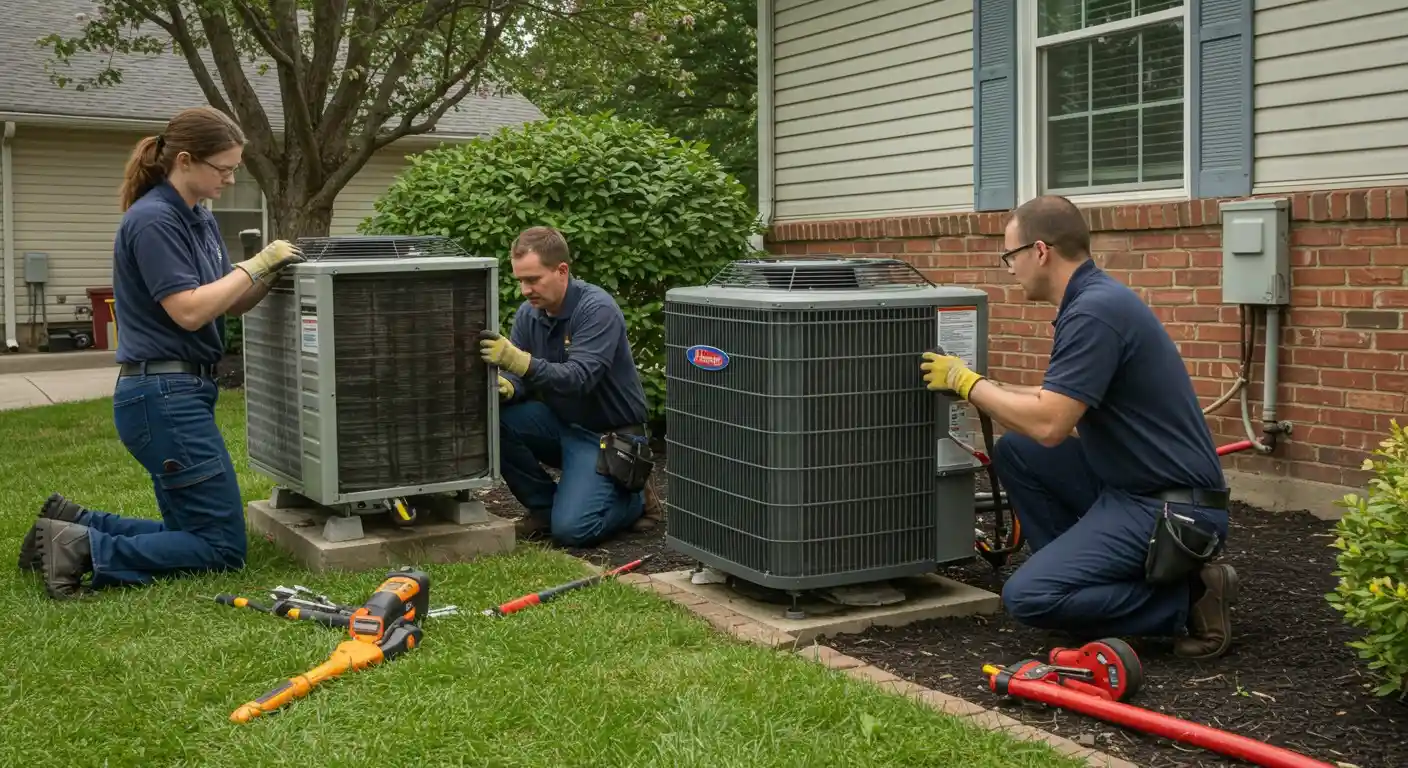
- Installation of New System: The new indoor and outdoor units are expertly installed. This includes connecting refrigerant lines, electrical wiring, condensate drains, and making any necessary ductwork modifications.
- System Startup and Testing: After installation, the new system is meticulously tested to ensure all components are functioning correctly, airflow is optimized, and refrigerant levels are accurate. We verify that the system is operating at peak efficiency.
- Thermostat Installation and Programming: We install and configure your new thermostat, explaining its features and how to program it for optimal comfort and energy savings.
- Final Walkthrough and Customer Education: Our technicians will conduct a final walkthrough, demonstrating how to operate your new system and answering any questions you may have about its maintenance and features.
Benefits of Upgrading Your HVAC System
Investing in a new HVAC system offers a multitude of advantages beyond just reliable heating and cooling:
- Enhanced Energy Efficiency: Modern HVAC systems are significantly more energy-efficient than older models, leading to substantial savings on your monthly utility bills.
- Improved Comfort and Air Quality: Experience consistent temperatures throughout your home, eliminate cold or hot spots, and benefit from better humidity control and filtration, leading to superior indoor air quality.
- Increased Reliability: New systems come with warranties and are less prone to breakdowns, offering peace of mind and reducing the need for costly repairs.
- Quieter Operation: Advanced technology in new units means quieter operation compared to older, noisier systems.
- Environmental Impact: More efficient systems consume less energy, reducing your carbon footprint and contributing to a healthier environment.
- Increased Home Value: A new, high-efficiency HVAC system is an attractive feature for potential buyers and can increase your property's resale value.
Maintaining Your New HVAC System for Longevity
To ensure your new HVAC system operates efficiently and has a long lifespan, ongoing maintenance is vital:
- Regular Filter Changes: Replace or clean air filters every 1-3 months, or more frequently if you have pets or allergies. Clean filters allow for better airflow and improved indoor air quality.
- Annual Professional Tune-ups: Schedule annual maintenance with a qualified technician to inspect, clean, and fine-tune your system. This helps identify minor issues before they become major problems, ensures optimal performance, and maintains efficiency.
- Keep Outdoor Unit Clear: Ensure the outdoor condenser unit is free from debris, leaves, and overgrown vegetation to maintain proper airflow.
- Clear Drain Lines: Occasionally check and clear the condensate drain lines to prevent clogs that can lead to water leaks and system shutdowns.
Why Choose Stafford Heating, Cooling, Plumbing & Electrical
With decades of proven expertise, Stafford Heating, Cooling, Plumbing & Electrical is trusted for precision HVAC installation and replacement. Our team is trained to meet local codes, deliver seamless installations, and provide lasting comfort solutions. We take pride in offering honest advice, reliable service, and customer-focused results.
Your Trusted Partner for HVAC Replacement
When it’s time to upgrade your HVAC system, trust Stafford Heating, Cooling, Plumbing & Electrical for a smooth and efficient process. Explore our financing options, check out customer reviews, and take advantage of our seasonal promotions. Call today to schedule your consultation and enjoy improved comfort, efficiency, and peace of mind.
Customer Testimonials
Our customers consistently praise our knowledgeable technicians, prompt service, and the lasting quality of the work we deliver.