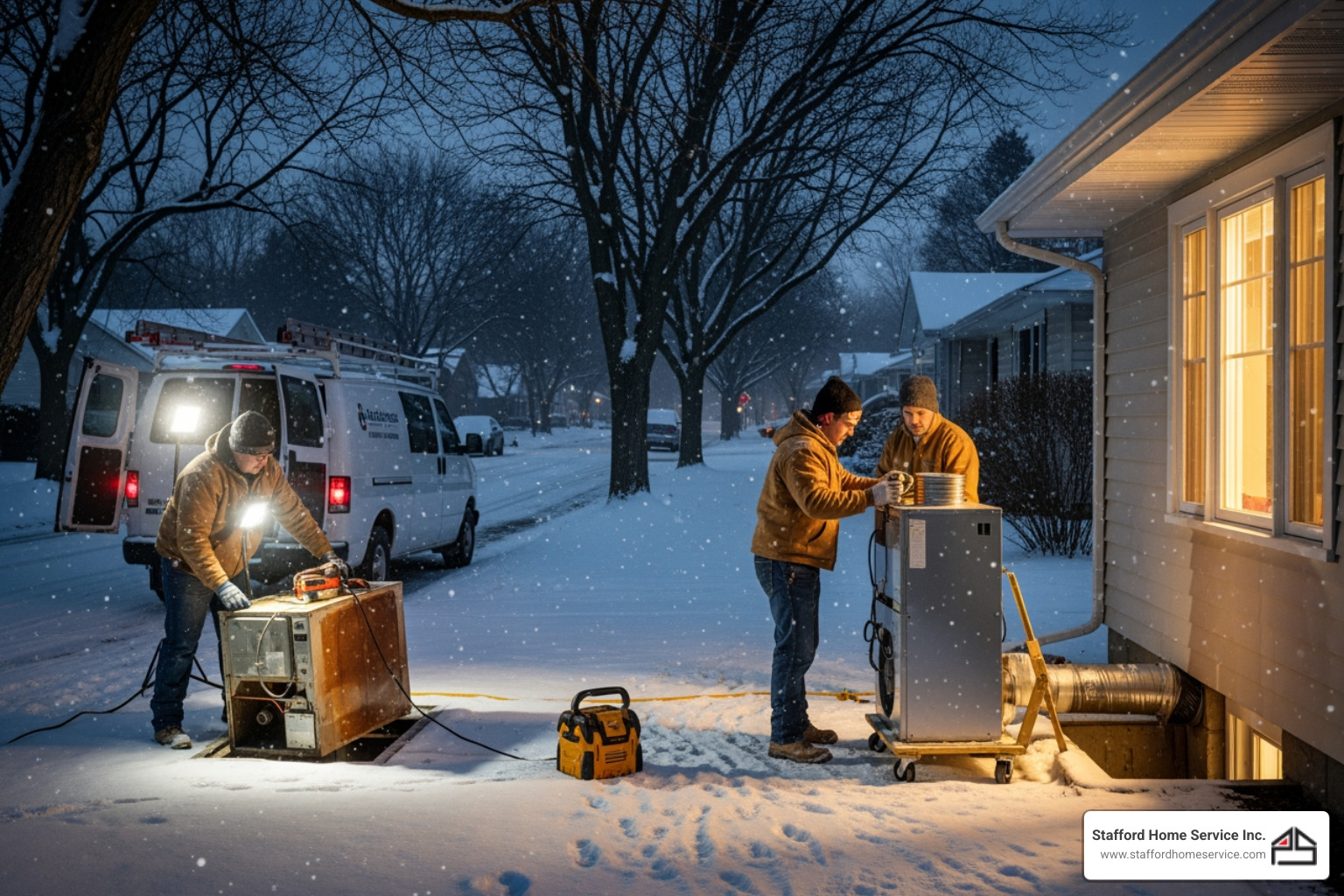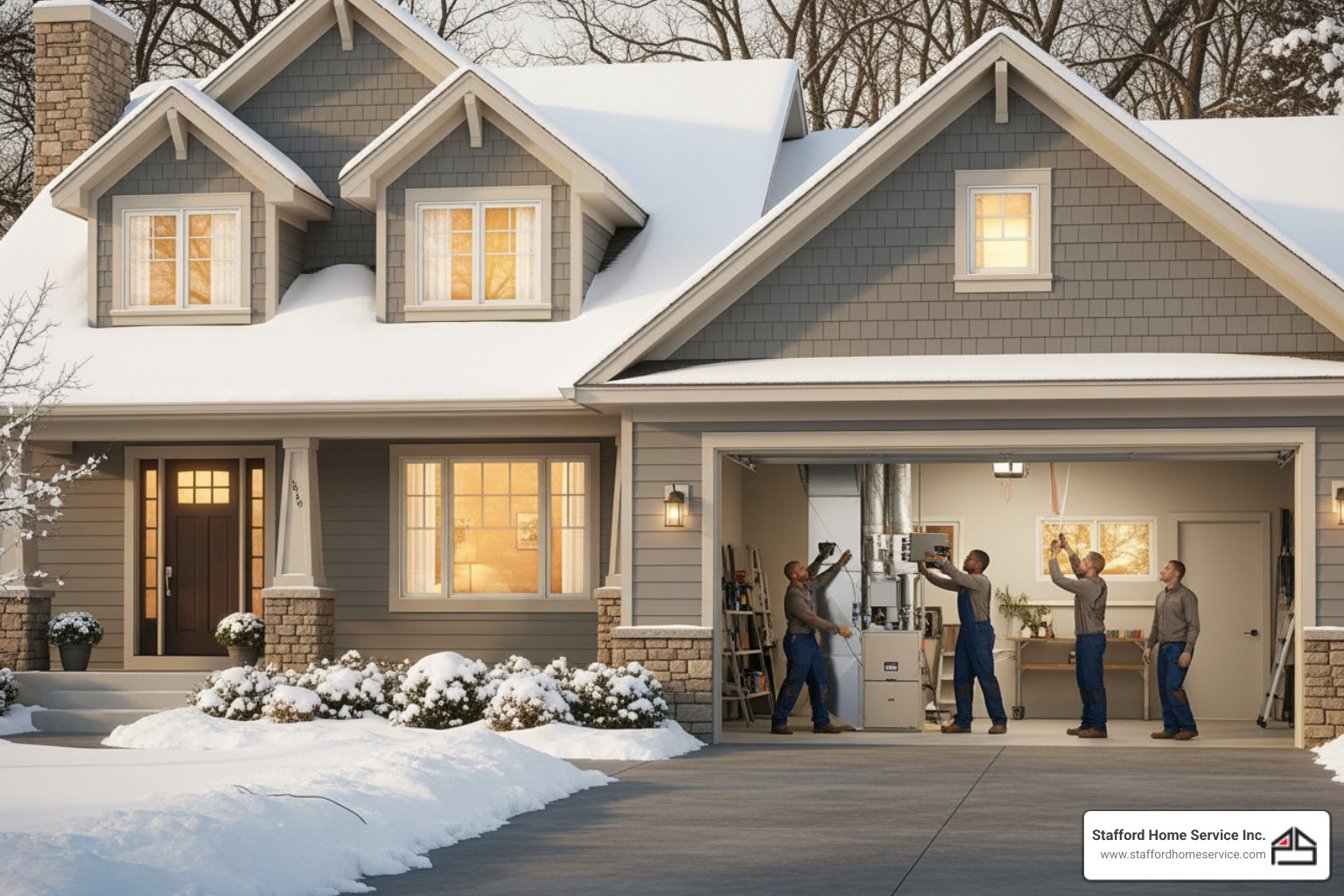
Need a Fix Now? Plymouth's Top 24-Hour Heat Pump Heroes
Why 24-Hour Heat Pump Service Matters in Plymouth
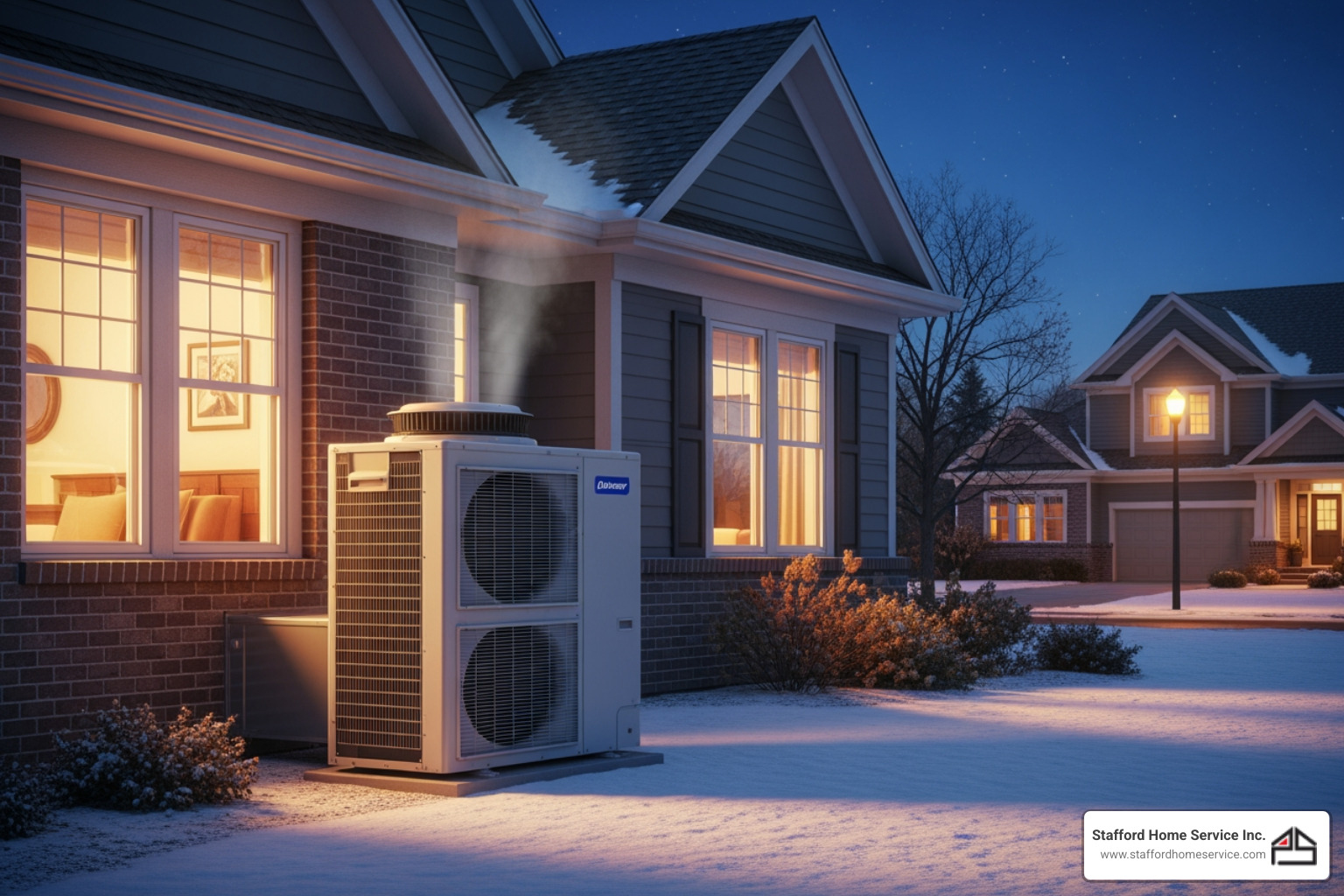
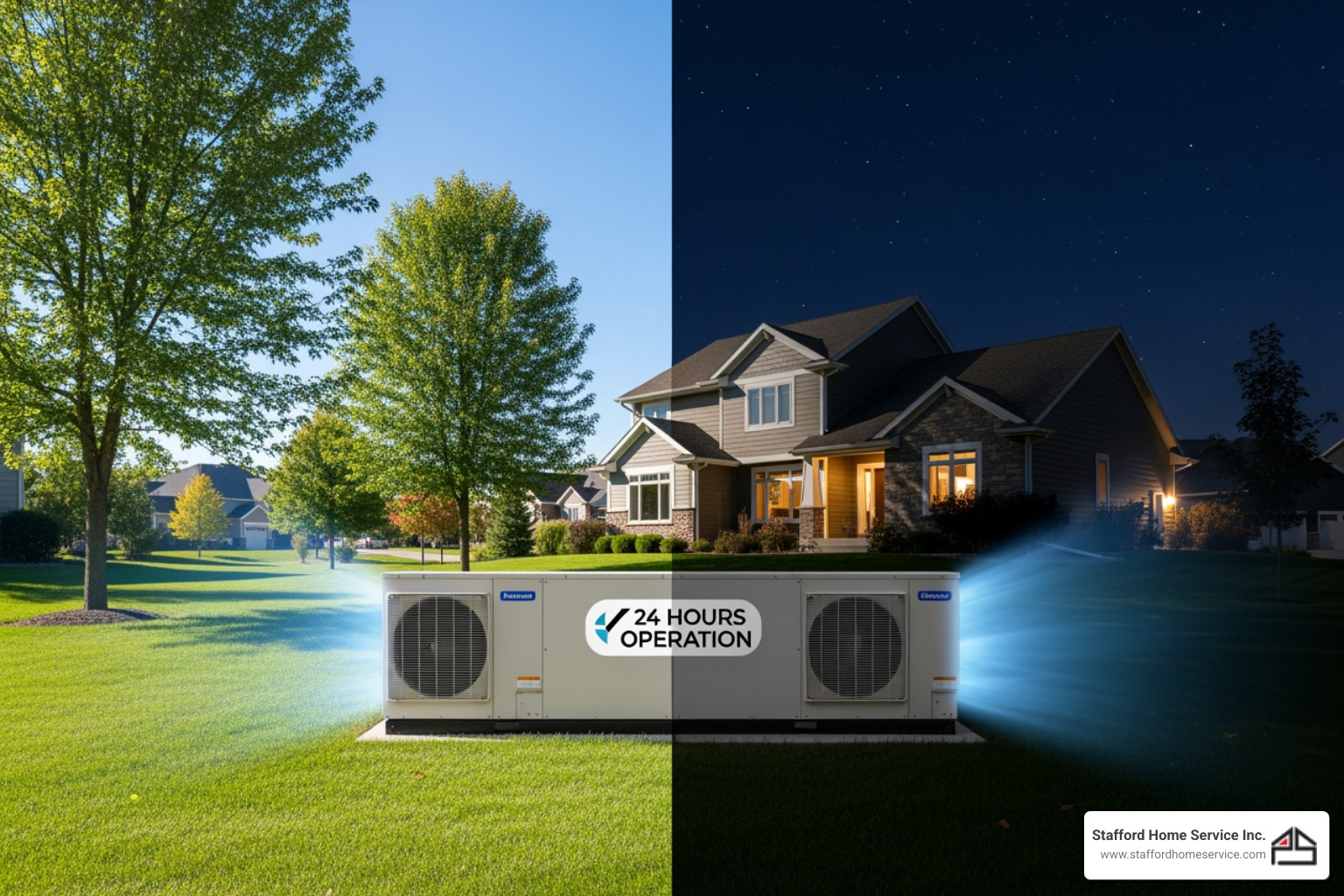
When your 24 hour heat pumps in plymouth, mn stops working in the middle of a freezing night or on a sweltering summer afternoon, you need help fast. Plymouth residents know how extreme Minnesota weather can be—winter temperatures can plunge to 3°F, while summer days can hit 83°F with high humidity. A broken heat pump isn't just inconvenient; it's a threat to your family's comfort and safety. Whether your system is blowing cold air in January or failing to cool your home in July, finding a reliable, round-the-clock service provider is critical.
Quick Answer: Getting Emergency Heat Pump Help in Plymouth
- 24/7 Availability: We offer emergency heat pump repair any time, day or night, because problems don't stick to a 9-to-5 schedule.
- Same-Day Service: Our goal is to provide same-day repairs for most issues to restore your comfort as quickly as possible.
- What to Expect: Our licensed technicians will diagnose the problem, provide upfront pricing, and work efficiently to restore your system.
- Common Emergencies: We handle all urgent issues, including no heat in winter, no cooling in summer, strange noises, or complete system failure.
If you're experiencing a heating or cooling emergency right now, explore our comprehensive HVAC services or contact us immediately for expert repair.
Heat pumps are unique because they provide both heating and cooling in a single system, making them ideal for Plymouth's climate swings. But when they fail, you need a team that understands the urgency and has the expertise to fix the problem right—no matter what time the clock shows.
Is It a Heat Pump Emergency? Signs You Need Urgent Repair
Imagine this: it's the dead of winter in Plymouth, and you wake up to a house colder than the inside of your refrigerator. Or, it's a scorching summer day, and your home feels like a sauna. These are clear signs your heat pump needs immediate attention. But sometimes, the warning signs are more subtle. Recognizing them early can prevent a minor issue from becoming a major, costly breakdown.
Here are the critical indicators that your heat pump might be waving a white flag and signaling for urgent repair:
- No Heat or Cool Air: This is the most obvious sign. If your heat pump is running but not producing the desired temperature, or worse, blowing air that's the opposite of what you want (cold air in heating mode, warm air in cooling mode), it's a red flag.
- Grinding or Squealing Noises: Heat pumps should operate relatively quietly. Any loud, unusual noises like grinding, squealing, banging, or persistent rattling often indicate a mechanical problem, such as a failing motor bearing or an issue with the fan blades.
- System Short-Cycling: If your heat pump turns on and off frequently, much more often than usual, it's "short-cycling." This can be due to a variety of issues, from an improperly sized unit to a refrigerant leak, and it significantly reduces efficiency while increasing wear and tear.
- Unusually High Energy Bills: A sudden spike in your electricity bill without a corresponding change in usage or weather could mean your heat pump is working harder than it should be to maintain comfort, indicating a loss of efficiency or a malfunction.
- Inconsistent Temperatures: Are some rooms too hot while others are too cold? This could point to issues with your heat pump's ability to distribute conditioned air evenly, or problems within the system itself affecting its output.
- Liquid Pooling: Any puddles or excessive moisture around your indoor or outdoor heat pump unit could indicate a clogged condensate drain line or a refrigerant leak. Refrigerant leaks are particularly serious and require professional attention.
- Frozen Outdoor Unit: While some frost on the outdoor unit in winter is normal, a unit that is completely encased in ice or freezes over quickly after defrost cycles suggests a problem with the defrost mechanism or airflow.
If you observe any of these symptoms, especially if they appear suddenly, it's time to call for professional AC repair services for your heat pump. Ignoring these signs can lead to more extensive damage and potentially dangerous situations.
What to Check Before You Call for Service
Before you pick up the phone for emergency service, there are a few simple checks you can perform. Sometimes, what seems like a major breakdown is actually a quick fix:
- Tripped Circuit Breaker: Go to your electrical panel and check if the breaker for your heat pump (both indoor and outdoor units) has tripped. Resetting it might restore power. If it trips again immediately, there's a deeper electrical issue.
- Clogged Air Filters: A dirty air filter can severely restrict airflow, causing your heat pump to work harder, reduce efficiency, and even overheat or freeze up. Check your filter and replace it if it's dirty.
- Incorrect Thermostat Settings: Ensure your thermostat is set to the correct mode (heat or cool) and temperature. Sometimes, it's as simple as someone accidentally switching it off or to "fan only." Also, check the batteries.
- Blocked Outdoor Unit: Make sure the outdoor unit isn't blocked by snow, ice, leaves, or debris. Clear any obstructions to allow for proper airflow.
These quick checks can sometimes save you an emergency service call, but if the problem persists, it's definitely time to call in the experts.
Why Prompt Repairs Matter in Plymouth
In Plymouth, a malfunctioning heat pump isn't just an inconvenience; it can pose serious risks. Our Minnesota winters, with temperatures often dropping below freezing, demand a reliable heating system. A heat pump failure in such conditions can quickly lead to frozen pipes, discomfort, and even health risks for vulnerable family members. During the summer, extreme heat and humidity can make a non-functioning cooling system unbearable and potentially dangerous.
Prompt repairs prevent further damage to your system. Continuing to run a faulty heat pump can exacerbate existing issues, turning a relatively simple repair into a much more complex and expensive replacement. Restoring home safety and maintaining energy efficiency are also paramount. A properly functioning heat pump ensures consistent comfort, keeps your utility bills in check, and contributes to a healthy indoor environment. Don't let a small problem become a huge headache; for all your heating and cooling needs, including emergency repairs, we offer comprehensive Heating services in Minneapolis and the surrounding areas.
Your Guide to Finding 24 Hour Heat Pumps in Plymouth, MN
When your comfort system fails, especially outside of regular business hours, you need to know who to call. Finding reliable 24 hour heat pumps in plymouth, mn services means partnering with a company that understands the urgency and has the resources to respond quickly and effectively. We pride ourselves on being those heroes for Plymouth homeowners.
What should you expect from a top-tier emergency heat pump service?
- 24/7 Availability: True emergency service means we're available around the clock, every day of the year, including weekends and holidays.
- Importance of Licensed and Experienced Technicians: Our technicians are not just skilled; they are licensed, insured, and continuously trained on the latest heat pump technologies. This ensures they can accurately diagnose and repair any issue, regardless of make or model.
- Same-Day Service Goal: For most emergency calls, our goal is to provide same-day service, arriving promptly to assess and address your heat pump crisis.
- Upfront Communication: You'll receive clear communication about the problem, the proposed solution, and the steps we'll take to get your system back online.
When you're facing a heat pump emergency, we are here to help. You can count on our team for expert HVAC services when you need them most.
What a 24-Hour Heat Pump Service Call Involves
When you call us for an emergency heat pump repair in Plymouth, here's what you can expect:
- Rapid Response: We prioritize emergency calls, dispatching a qualified technician to your home as quickly as possible.
- Thorough System Diagnosis: Our technician will perform a comprehensive inspection of your heat pump, using advanced diagnostic tools to pinpoint the root cause of the problem. This includes checking refrigerant levels, electrical connections, compressor function, and all safety components.
- Upfront Communication: Before any work begins, we'll explain the issue in clear, understandable terms. We'll outline the necessary repairs and answer any questions you have.
- Quality Parts for Repairs: We use only high-quality, durable parts for all repairs to ensure the longevity and reliability of your heat pump.
- Safety Checks: After completing the repair, our technician will conduct thorough safety checks to ensure your system is operating safely and efficiently.
- Performance Testing After Repair: We'll test the heat pump's performance to confirm it's delivering the expected heating or cooling and that all functions are working correctly. We don't leave until we're confident your system is back to peak performance.
Preparing Your Home for an Emergency HVAC Visit
To help us serve you more efficiently during an emergency visit, a little preparation on your part can go a long way:
- Clear a path to indoor and outdoor units: Ensure easy access for our technicians to both your indoor air handler and the outdoor compressor unit. Clear away any furniture, plants, or debris.
- Secure pets: For the safety and comfort of both your pets and our technicians, please ensure all pets are secured in a separate area of your home.
- Be ready to describe the problem: Provide as much detail as possible about what happened, when it started, and any unusual symptoms you've observed. This helps our technicians narrow down the possibilities.
- Know your system's model if possible: If you have your heat pump's model and serial number handy, it can assist with faster diagnosis and parts acquisition.
Why a High-Performing Heat Pump is Crucial in Plymouth
In Plymouth, a high-performing heat pump isn't just a luxury; it's an essential component of comfortable and efficient home living. The unique climate of the Twin Cities metro area, with its hot, humid summers and brutally cold winters, makes the dual functionality of a heat pump incredibly valuable.
- Energy Efficiency: Heat pumps are lauded for their exceptional energy efficiency. Unlike furnaces that generate heat by burning fuel, or traditional ACs that only cool, heat pumps simply move thermal energy from one place to another. This process requires significantly less energy. In fact, heat pumps can reduce electricity use for heating by approximately 50% compared to electric resistance heating. This translates directly to lower utility bills and a smaller carbon footprint for your household.
- Dual-Function System: One unit handles both your heating and cooling needs. This provides year-round comfort without the need for separate heating and cooling systems, streamlining your HVAC setup.
- Lowering Carbon Footprint: By consuming less energy, heat pumps contribute to a greener environment, aligning with modern efforts towards sustainability.
- Consistent Home Comfort: Modern heat pumps, especially cold-climate models with variable-speed compressors and intelligent controls, offer optimized efficiency and precise temperature control, ensuring a consistently comfortable indoor environment, no matter the weather outside.
For homeowners in Plymouth looking for an efficient, all-in-one solution for climate control, our Heat pump services are an excellent investment.
How Heat Pumps Handle Minnesota's Cold Winters
The common misconception is that heat pumps can't handle extreme cold. While older models might have struggled, modern cold-climate heat pumps are engineered specifically for regions like Plymouth. They use advanced refrigeration technology and improved compressors that can extract heat from outdoor air even when temperatures drop significantly below freezing.
When the mercury truly plummets, many heat pumps are paired with a supplemental heating system, often an electric resistance heater or a traditional furnaces. This "hybrid" system ensures that even on the coldest Minnesota days, your home remains warm and cozy. The heat pump handles the majority of the heating, switching to the auxiliary heat source only when necessary, thus maximizing efficiency and minimizing energy consumption.
Air Source vs. Geothermal: Which is Better for Plymouth?
When considering a heat pump for your Plymouth home, you'll likely encounter two main types: air source and geothermal. Both offer significant energy savings and dual functionality, but they operate differently and come with distinct advantages for our Minnesota climate.
FeatureAir Source Heat PumpGeothermal Heat PumpHow it WorksTransfers heat between your home and the outside air.Transfers heat between your home and the stable ground temperature.InstallationOutdoor unit and indoor unit. Easier and generally less expensive to install.Requires underground loop system (horizontal or vertical) in addition to indoor unit. Higher upfront cost.EfficiencyHighly efficient, but performance can decrease as outside air temperature drops significantly. Modern cold-climate models are very effective even in low temps.Extremely efficient year-round, as ground temperature is stable regardless of outside air temperature extremes.Cold WeatherCold-climate models are designed to operate efficiently in temperatures well below freezing. Often uses supplemental heat in extreme cold.Performance is consistent even in the harshest winters due to stable ground temperatures.MaintenanceSimilar to a traditional AC unit, plus indoor unit maintenance.Less outdoor exposure, potentially fewer mechanical issues with outdoor components.LifespanTypically 15-20 years for the outdoor unit, longer for indoor components.Ground loop system can last 50+ years; indoor components 20-25 years.Best for PlymouthExcellent choice for many homes, especially with cold-climate models. More accessible due to lower initial cost.Superior long-term efficiency and comfort in extreme cold, but requires significant upfront investment and land for ground loops.
For many Plymouth homeowners, a cold-climate air source heat pump offers a fantastic balance of efficiency, performance, and affordability. However, if you have the space and budget for the initial investment, a geothermal system provides unparalleled stability and efficiency, making it an excellent long-term solution for our varied climate.
Maintaining Your Heat Pump for Longevity and Efficiency
Just like any other essential home system, your heat pump requires regular care to keep it running smoothly, efficiently, and for as long as possible. Proper maintenance is key to preventing unexpected breakdowns and ensuring your investment continues to provide reliable comfort.
Here's what goes into maintaining your heat pump:
- Professional Tune-Ups: We recommend annual professional tune-ups, typically one in the spring for cooling readiness and another in the fall for heating readiness. During these visits, our technicians will:
- Cleaning Coils: Both the indoor and outdoor coils need to be clean to efficiently transfer heat. Dirty coils can drastically reduce efficiency.
- Checking Refrigerant Levels: Proper refrigerant charge is crucial for optimal performance. Low levels can indicate a leak and decrease efficiency.
- Inspecting Electrical Components: All wiring, connections, and capacitors are checked for wear, corrosion, or damage to prevent electrical failures.
- Inspecting Fan Blades and Motors: We ensure fan blades are clean and balanced, and motors are running smoothly without excessive noise or vibration.
- Checking Thermostat Calibration: Ensuring your thermostat is accurately reading and controlling temperatures.
- Cleaning Condensate Drain: A clogged drain can lead to water leaks and potential damage.
Regular maintenance helps catch small issues before they escalate into major, expensive repairs. It also ensures your heat pump operates at its peak efficiency, saving you money on energy bills throughout the year. This is especially important for Ductless heat pumps, which have unique maintenance needs for their individual indoor units.
Key Factors When Choosing a New Heat Pump
If you're considering a new heat pump installation in Plymouth, several factors will influence your choice to ensure you get the best system for your home and budget:
- Proper Sizing for Your Home: A heat pump that's too small won't adequately heat or cool your home, running constantly and inefficiently. One that's too large will short-cycle, leading to uneven temperatures and increased wear. We conduct a thorough load calculation to determine the perfect size for your space.
- SEER and HSPF Ratings: These ratings indicate energy efficiency. SEER (Seasonal Energy Efficiency Ratio) measures cooling efficiency, and HSPF (Heating Seasonal Performance Factor) measures heating efficiency. Higher numbers mean greater efficiency and lower operating costs. Look for ENERGY STAR certified models.
- Smart Thermostat Compatibility: Modern smart thermostats can optimize your heat pump's performance, learn your preferences, and allow remote control, leading to greater comfort and energy savings.
- Cold-Climate Performance: Given Plymouth's winters, prioritize models specifically designed for cold climates. These units maintain higher efficiency at lower ambient temperatures.
- Available Financing Options: A new heat pump is a significant investment. We offer flexible Financing information to make your upgrade more manageable.
Your Role in Routine Heat Pump Maintenance
While professional tune-ups are essential, there's plenty you can do between visits to keep your heat pump humming:
- Change Air Filters Regularly: This is perhaps the most important DIY task. Check your air filter monthly and replace it every 1-3 months, or more frequently if you have pets or allergies. A clean filter ensures good airflow and system efficiency.
- Keep Outdoor Unit Clear of Debris: Ensure the outdoor unit is free from leaves, grass clippings, dirt, snow, and ice. Maintain at least two feet of clear space around it for optimal airflow.
- Listen for Unusual Sounds: Pay attention to any new or strange noises coming from your heat pump. Early detection of odd sounds can alert you to a problem before it becomes severe.
- Monitor Performance: Notice if your heat pump is struggling to reach temperature, running for unusually long periods, or if your energy bills are creeping up. These observations can signal a need for professional inspection.
- Clean Vents and Registers: Ensure all supply and return vents inside your home are clear of obstructions like furniture or drapes, allowing for proper air circulation.
Frequently Asked Questions about Heat Pump Services
We understand you have questions, especially when it comes to keeping your home comfortable in Plymouth's unique climate. Here are some common inquiries about heat pumps and our services:
How do I know if my heat pump problem is a true emergency?
While any heat pump issue can be frustrating, some situations demand immediate, 24 hour heat pumps in plymouth, mn service. You're likely facing a true emergency if:
- You experience a complete loss of heating during winter, especially when outside temperatures are dangerously low.
- You have a complete loss of cooling during extreme summer heat and humidity, which can be a health risk.
- You detect electrical smells, see sparks, or hear buzzing from your unit, which could indicate an electrical fire hazard.
- Your unit is making loud, persistent grinding, squealing, or banging mechanical noises, suggesting a critical component failure.
In these scenarios, don't hesitate to call for emergency service.
Can a heat pump really heat my home when it's below freezing in Plymouth?
Absolutely! Modern heat pumps, particularly cold-climate air source models, are specifically engineered to perform efficiently in temperatures well below freezing. They use advanced refrigerants and variable-speed compressors to extract latent heat from even very cold air. For the absolute coldest Minnesota days, heat pumps are typically integrated with an auxiliary heat source (like electric resistance coils or a gas furnace) that kicks in automatically to provide supplemental warmth, ensuring your home remains comfortable no matter how low the temperature drops.
What is the main difference between a heat pump and an air conditioner?
The key difference lies in their functionality. An air conditioner is a one-way system: it cools your home by extracting heat from inside and expelling it outside. A heat pump, on the other hand, is a two-way system. It can reverse its operation to either extract heat from inside your home and move it outside for cooling (like an AC) or extract heat from outside (even in cold weather) and move it inside to warm your home. This dual heating and cooling capability makes heat pumps incredibly versatile and energy-efficient for year-round climate control.
Conclusion
Navigating Plymouth's diverse climate requires a robust and reliable home comfort system. 24 hour heat pumps in plymouth, mn offer an exceptionally efficient, year-round solution, providing both warmth in our chilly winters and cool relief during humid summers. Recognizing the signs of a struggling heat pump and knowing when to call for urgent, expert service is crucial for maintaining your home's comfort and safety.
We understand the unique demands placed on your HVAC system in Plymouth. Our commitment is to provide quality workmanship, complete customer satisfaction, and peace of mind, backed by a Daikin Comfort Promise and flexible financing options. Whether you need an emergency repair in the dead of night or a routine maintenance check, our experienced team is ready to serve you.
Don't let a heat pump emergency leave you in the cold (or heat!). For reliable, expert service you can trust, contact us for expert HVAC service today.
Customer Testimonials
Our customers consistently praise our knowledgeable technicians, prompt service, and the lasting quality of the work we deliver.