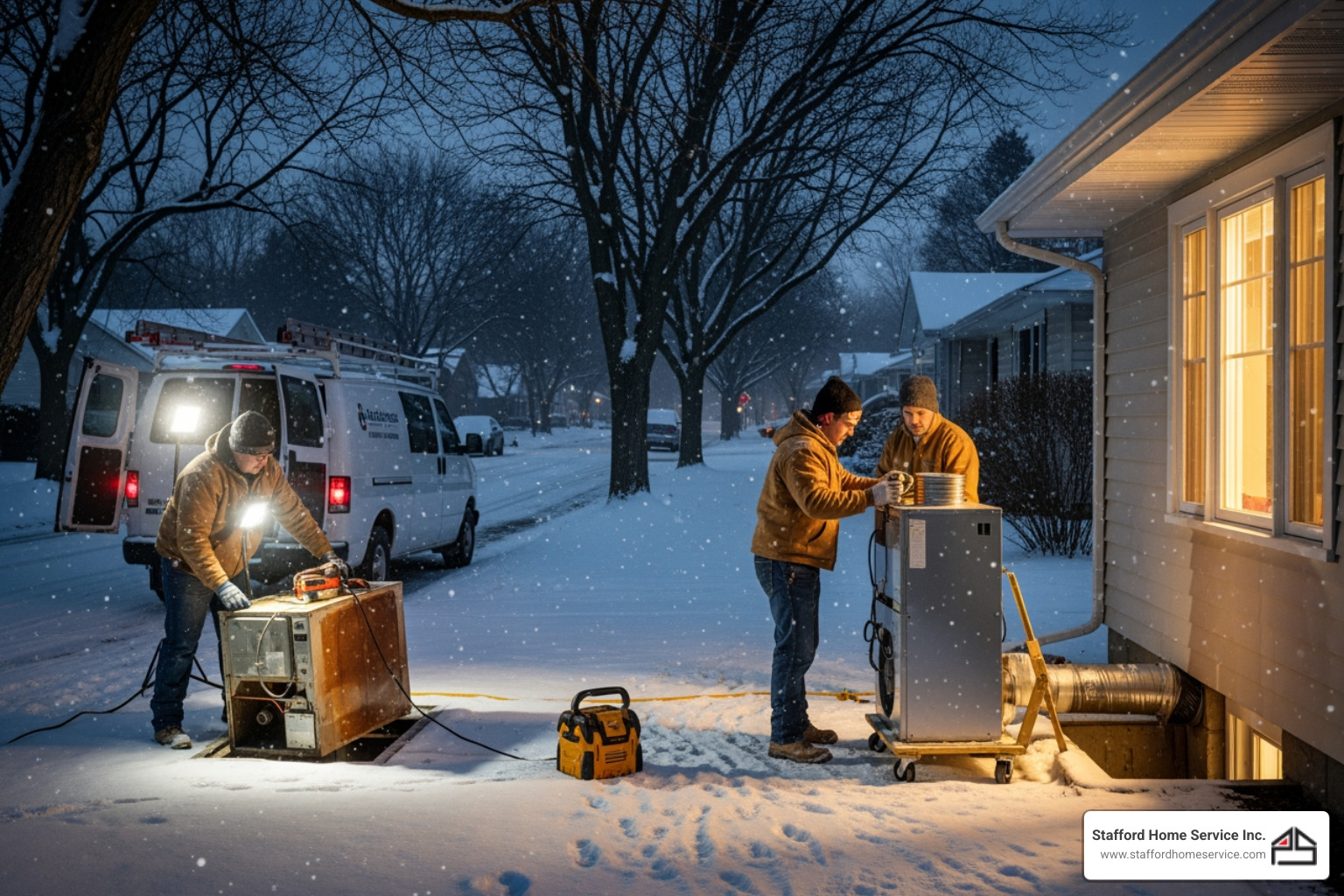

Heat Pump Troubleshooting: When Your St. Louis Park System Won't Switch Modes
Learn common reasons your heat pump won't switch modes. Get troubleshooting tips and find out when our St. Louis Park professionals can help you.
Heat pumps play a key role in keeping homes comfortable year-round, especially in areas like St. Louis Park where temperature swings between seasons are common. These systems can switch between heating and cooling, adjusting to the weather and your preferences. When working correctly, they maintain a balanced and steady indoor climate without much effort from the homeowner.
But problems can creep in over time. One of the more frustrating ones is when a heat pump stops switching modes. This usually shows up when you're expecting cool air on a warm day or heat during a chilly evening, and the system seems stuck. Not only is this inconvenient, but it can also raise concerns about energy use and long-term system wear. If your unit fails to switch between heating and cooling as needed, it's important to identify the cause and take action quickly, especially before seasonal demands get heavier.
Common Reasons Your Heat Pump Won’t Switch Modes
Before jumping to conclusions about replacement or major repairs, it’s important to understand what could cause a heat pump to stop transitioning between modes. Several issues, many of them small, can interfere with how your system functions. Being aware of these can help get in front of the problem or spot warning signs earlier.
One of the most common reasons is thermostat trouble. Something as simple as incorrect settings or a weak battery can confuse your heat pump’s controls. If the thermostat isn’t telling the system to switch properly, it may stay stuck in its current mode. This could look like your home not warming up on a cooler morning or failing to cool down during a hot afternoon.
Another possible cause is a faulty or misaligned sensor. Heat pumps rely on sensors to determine indoor and outdoor temperatures. If the sensor is damaged, covered in dust, or not reading accurately, the system won’t receive the right cues to switch between modes. It’s similar to how a smart speaker might not respond correctly if its microphone is dirty or blocked. The message doesn’t get through like it should.
Clogged or dirty filters can also create problems. Restricted airflow forces the heat pump to work harder, often leading to a system error or inefficient operation. If air can’t move freely, the heat pump may struggle to recognize that a mode change is needed, causing it to freeze up or overheat. A home in St. Louis Park with pets or nearby construction may see filters fill up quicker than average, making this issue a bit more common in certain neighborhoods.
In some cases, the problem could lie in the reversing valve, which is responsible for switching the flow of refrigerant and allowing the heat pump to transition between heating and cooling. If the valve sticks or malfunctions, the system stays in one mode despite the settings on the thermostat. While this part is more technical, it shows how small mechanical issues can lead to noticeable comfort problems indoors.
Troubleshooting Steps for Homeowners
Some early troubleshooting can help narrow down the issue before calling in professional help. While complex repairs should always be left to trained technicians, there are a few basic steps homeowners in St. Louis Park can take if the heat pump isn’t switching modes like it should:
1. Check the thermostat settings:
- Make sure the thermostat is set to “Heat” or “Cool” rather than “Auto.”
- Confirm the temperature setting is higher or lower than the room’s current temperature, depending on the season.
- Replace the batteries if the display is dim or unresponsive.
2. Inspect the filters:
- Turn off the power before removing the filter.
- If the filter looks dusty or clogged, replace or wash it, depending on the type.
- Check filters monthly during months of heavy system use.
3. Look at the outdoor unit:
- Ensure there’s no debris like grass, leaves, or branches blocking airflow.
- Listen for any unusual sounds that might indicate an internal issue.
- Avoid opening panels or touching wires. Leave that to the professionals.
4. Power cycle the system:
- Turn off the system at the thermostat.
- Wait five minutes then turn it back on to see if the system resets.
These steps often help uncover simple issues, like a dirty filter or incorrect setting. But if the system still won’t switch modes after these checks, it’s safest to stop troubleshooting and reach out for professional support. Continuing to run the system under strain can lead to bigger damage over time.
When to Call Our Professionals
If you’ve completed the basic checks and your heat pump in St. Louis Park still won’t switch between heating and cooling, it’s time to bring in our professionals. Persistent mode-switch issues usually point to internal problems that need expert attention. Electrical faults in the reversing valve, compressor problems, or control board malfunctions can all contribute to this kind of failure, and these are not issues to troubleshoot without proper training.
Delaying a service call may allow the problem to grow worse. A system that continues running in the wrong mode under stress can wear down faster, increase energy use, or cause complete breakdown. In homes with elderly residents, kids, or anyone sensitive to temperature swings, this can escalate from a comfort issue to a health concern. Our technicians use tools and inspection methods that go beyond what homeowners can see or access themselves, which makes a real difference when pinpointing hard-to-detect issues.
It’s also worth calling our professionals if your heat pump has developed a pattern of switching issues across seasons. Problems like an overworked reversing valve or a sensor that seems to work inconsistently can escape notice during mild weather but create significant discomfort when demand rises. A one-time issue may just need a small adjustment or part replacement. But recurring failure to switch modes often indicates a bigger internal component is failing.
Prevention and Maintenance Tips to Keep Mode Switching Smooth
Keeping your heat pump in good working order isn’t difficult when you stay consistent with seasonal checkups and routine care. A few preventative strategies can help extend the life of your system and make mode-switching problems less likely. These steps are especially helpful for homeowners in St. Louis Park as the seasons change.
Here are some good habits to put in place:
- Schedule maintenance twice a year, once in the spring and once in the fall, before heavier system usage begins
- Replace filters at least every 2 to 3 months, or monthly during periods of high pollen, pet shedding, or nearby construction
- Keep the area around the outdoor unit clear of brush, snow, and leaves to avoid blockages
- Run both heating and cooling briefly during opposite seasons to test the reversing valve and ensure smooth transitions
- Set a reminder to update your thermostat’s software (if applicable) and replace the batteries at least once a year
- If your heat pump is older than 10 years, ask about system performance reviews to assess emerging risks or wear
Routine inspections from trained professionals are one of the most effective ways to catch mode-switch issues early. A technician can test sensors, check the reversing valve’s operation, and confirm that all control components are working as intended.
Maintain Home Comfort with Expert Help
Letting heat pump issues linger often leads to larger problems, especially when systems are already stressed with long summer runs or sudden weather changes. St. Louis Park homeowners depend on their heat pumps for reliable comfort, and mode switching is one of the clearest signs that something is wrong when it stops working.
Knowing when to troubleshoot and when to bring in professionals matters just as much as understanding how your system works. Whether it’s a faulty sensor or an internal valve failing to respond, these kinds of issues need attention before they impact your entire home. Mode-switch problems may not seem urgent right away, but quickly identifying and fixing them keeps your house running smoothly throughout the year.
If your heat pump continues having issues and you need reliable help, an experienced electrician in St. Louis Park can identify and address any underlying electrical concerns. Stafford Heating, Cooling, Plumbing & Electrical Inc is committed to helping you restore and maintain lasting comfort. For a quick estimate or to book a service visit, please contact us today.
Customer Testimonials
Our customers consistently praise our knowledgeable technicians, prompt service, and the lasting quality of the work we deliver.