




Mini Split Installation in Coon Rapids, MN
Install a high-performance ductless system with mini split installation in Coon Rapids, MN by Stafford Heating, Cooling, Plumbing & Electrical. Call now to book your ductless setup.
Expert Mini Split Installation Services
Mini-split AC systems have revolutionized home cooling and heating, offering a flexible, energy-efficient alternative to traditional HVAC setups. These ductless systems provide individualized comfort zones, making them ideal for additions, converted spaces, or simply enhancing efficiency in specific areas of your home. However, the true benefits of a mini-split system, including its energy savings and reliable performance, hinge significantly on a precise and professional installation. Whether you're considering a single-zone unit for a specific room or a multi-zone system for comprehensive climate control, understanding the intricacies of mini split installation is crucial. At Stafford Heating, Cooling, Plumbing & Electrical, we specialize in delivering expert installation that ensures optimal performance and long-term satisfaction.
Choosing the Right Mini Split System for Your Needs
Before any installation begins, selecting the appropriate mini-split system is paramount. Various factors influence this decision, including the size of the area to be conditioned, your heating and cooling requirements, and aesthetic preferences.
- Single-Zone Systems: Ideal for cooling or heating a single room or a specific area. They consist of one outdoor unit connected to one indoor unit.
- Multi-Zone Systems: Perfect for conditioning multiple rooms with a single outdoor unit, allowing each indoor unit to be controlled independently. This offers immense flexibility and energy savings by only conditioning occupied areas.
- BTU Capacity: Correctly sizing the unit's BTU (British Thermal Unit) capacity to the room size is vital. An undersized unit will struggle to cool or heat effectively, while an oversized unit can lead to short cycling, higher energy consumption, and reduced dehumidification.
- SEER (Seasonal Energy Efficiency Ratio) and HSPF (Heating Seasonal Performance Factor): These ratings indicate the system's energy efficiency. Higher numbers mean greater energy savings.
- Features: Consider features like inverter technology for variable speed operation, sleep modes, programmable timers, and smart thermostat compatibility for enhanced convenience and efficiency.
A thorough assessment of your home's layout and your specific comfort goals will guide the selection process, ensuring you invest in a system that perfectly aligns with your lifestyle.
Essential Tools and Materials for Mini Split Installation
A successful mini split installation requires a specific set of tools and materials, whether you’re a DIY enthusiast or preparing for a professional service. While professional installers arrive fully equipped, knowing what goes into the process can be enlightening.
Key Tools:
- Vacuum Pump and Manifold Gauges: Absolutely essential for evacuating the refrigerant lines to prevent contamination and ensure proper system operation.
- Flaring Tool Kit: Used to create precise flares on copper refrigerant lines for leak-proof connections.
- Pipe Cutter and Deburring Tool: For clean cuts on copper tubing.
- Torque Wrench: To tighten flare nuts to the manufacturer's specified torque, preventing leaks without over-tightening.
- Hole Saw: For drilling the necessary conduit hole through the exterior wall.
- Level and Tape Measure: For accurate positioning of units and lines.
- Drill and Fasteners: For mounting indoor and outdoor units.
- Electrical Tester: To ensure safe and correct electrical connections.
Key Materials:
- Refrigerant Lines (Line Set): Pre-insulated copper tubing that carries refrigerant between the indoor and outdoor units.
- Drain Hose: To channel condensate water away from the indoor unit.
- Electrical Wiring: Appropriately sized wiring for power connections.
- Wall Sleeve or Conduit Kit: To protect the line set and wiring where it passes through the wall.
- Mounting Brackets/Pad: For securing the outdoor unit.
- Insulation Tape and UV-Resistant Line Cover: To protect and neatly encase the line set.
Attempting to install a mini-split without these specialized tools can lead to significant problems, including refrigerant leaks, system inefficiency, and even complete unit failure.
The Detailed Mini Split Installation Process
A professional mini split installation follows a precise, multi-step procedure to guarantee optimal performance and longevity.
- Indoor Unit Placement: The indoor air handler must be mounted on a sturdy wall, typically 6-12 inches below the ceiling, ensuring adequate clearance for airflow. It’s critical to choose a location free from obstructions and direct sunlight, with a clear path for the condensate drain.
- Drilling the Wall Hole: A carefully measured hole is drilled through the exterior wall to accommodate the line set, drain hose, and communication wire. The hole should have a slight downward slope towards the outside to facilitate proper condensate drainage and prevent water intrusion.
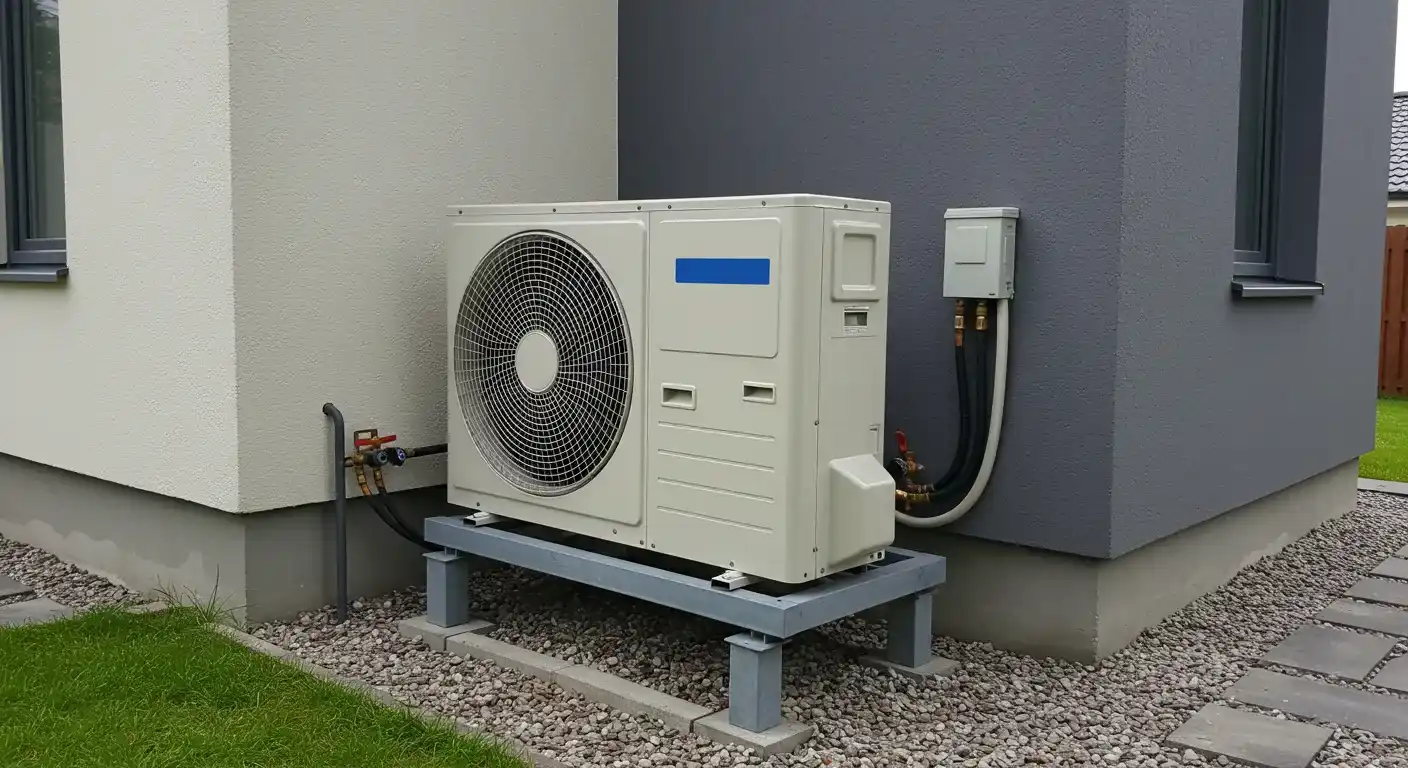
- Outdoor Unit Mounting: The outdoor condenser unit is typically placed on a sturdy concrete pad or wall-mounted brackets. It must be level, at least 12 inches away from any wall or obstruction to allow for proper airflow, and away from direct sunlight or areas prone to debris accumulation.
- Refrigerant Line Installation: This is one of the most critical steps. The pre-insulated copper line set is carefully run between the indoor and outdoor units, protected by a wall sleeve. The copper tubing is cut to length, flared precisely, and connected to the ports on both units using a torque wrench to ensure tight, leak-free seals.
- Condensate Drain Line: The drain hose from the indoor unit is routed downwards, maintaining a continuous slope to ensure gravity drainage of condensate water, typically exiting near the outdoor unit or into an existing drain.
- Electrical Connections: A dedicated circuit breaker is usually required for mini-split systems. Professional electricians ensure the system is correctly wired to the outdoor unit's disconnect box and the indoor unit's power supply, adhering to all local electrical codes.
- Vacuuming the Refrigerant Lines: Before opening the refrigerant valves, a vacuum pump is connected to the line set. This process evacuates all air and moisture from the lines, which are detrimental to the system's efficiency and lifespan. This step is paramount and often overlooked in DIY installations.
- Refrigerant Release and Leak Check: Once a deep vacuum is achieved and held, the refrigerant valves on the outdoor unit are opened, releasing the refrigerant into the system. A final leak check is performed on all connections using an electronic leak detector.
- Testing and Setup: The system is powered on, and all functions (cooling, heating, fan speeds) are tested to ensure proper operation. The installer will check refrigerant pressures and temperatures to verify the system is running optimally.
DIY vs. Professional Mini Split Installation
The idea of a DIY mini split installation can be appealing due to perceived cost savings. However, it comes with significant risks that often outweigh the benefits.
DIY Installation:
- Pros: Potentially lower initial labor cost.
- Cons:
- Requires specialized tools: Renting or purchasing these can negate savings.
- Technical expertise: Incorrect flaring, improper vacuuming, or electrical misconnections can lead to refrigerant leaks, compressor failure, or electrical hazards.
- Warranty voidance: Many manufacturers will void the warranty if the system is not installed by a certified HVAC professional.
- Permits and codes: Local building codes and permits are often required for HVAC installations, which homeowners may overlook.
- Safety risks: Working with refrigerants and high voltage electricity poses serious safety concerns.
Professional Installation:
- Pros:
- Expertise and experience: Certified technicians possess the knowledge and tools for a flawless installation.
- Warranty protection: Ensures your manufacturer's warranty remains valid.
- Safety: Professionals adhere to strict safety protocols.
- Efficiency and longevity: Proper installation maximizes your system's efficiency and lifespan.
- Peace of mind: You know the job is done right the first time.
- Cons: Higher upfront labor cost.
Ultimately, investing in professional Mini Split Installation services is a wise decision to protect your investment and ensure reliable, efficient performance.
Maintenance and Troubleshooting After Installation
Once your mini split system is installed, routine maintenance is key to its efficiency and longevity.
- Filter Cleaning/Replacement: Clean or replace air filters monthly or as recommended by the manufacturer. Dirty filters restrict airflow, reducing efficiency and air quality.
- Coil Cleaning: Annually, have the indoor and outdoor coils professionally cleaned. Dirty coils reduce heat exchange efficiency.
- Drain Line Inspection: Ensure the condensate drain line is clear and free of blockages to prevent water overflow.
- Outdoor Unit Area: Keep the area around the outdoor unit clear of debris, plants, and obstructions to maintain proper airflow.
- Seasonal Check-ups: Consider annual professional check-ups to verify refrigerant levels, electrical connections, and overall system health.
Common troubleshooting issues include reduced cooling/heating (often dirty filters or low refrigerant), strange noises (loose parts or debris), or water leaks (clogged drain line). Most of these issues can be prevented with regular maintenance or quickly diagnosed and resolved by a professional.
Your Trusted Partner for Mini Split Installation
Choosing Stafford Heating, Cooling, Plumbing & Electrical for your Mini Split Installation means partnering with experienced professionals dedicated to your comfort and satisfaction. We pride ourselves on meticulous attention to detail, adherence to the highest industry standards, and ensuring every installation is performed safely and efficiently. Our team is equipped with the latest tools and expertise to handle every aspect of your mini-split system, from initial consultation and system selection to precise installation and post-installation support. Trust us to deliver a climate control solution that brings lasting comfort and energy savings to your home.
Ready to enhance your home's comfort and efficiency with a new mini-split system? Reach out to Stafford Heating, Cooling, Plumbing & Electrical today to discuss your Mini Split Installation needs and schedule a professional consultation.
Customer Testimonials
Our customers consistently praise our knowledgeable technicians, prompt service, and the lasting quality of the work we deliver.