



Heat Pump Repair in Coon Rapids, MN
Heat pumps are essential for maintaining comfort in homes, offering both heating and cooling from a single, energy-efficient system. When these vital units malfunction, it can disrupt your indoor environment and lead to significant discomfort. Recognizing the signs of a failing heat pump and understanding the necessary steps for repair are crucial for restoring optimal performance and efficiency. At Stafford Heating, Cooling, Plumbing & Electrical, we specialize in comprehensive heat pump repair, ensuring your system operates reliably season after season.
Common Heat Pump Issues Requiring Professional Attention
While heat pumps are generally robust, they can encounter various issues over their lifespan. Identifying these problems early can prevent more extensive and costly damage. Here are some of the most frequently observed heat pump malfunctions:
- Insufficient Heating or Cooling: If your heat pump struggles to reach the desired temperature, whether in heating or cooling mode, it's a clear sign of an underlying problem. This could stem from low refrigerant levels, a faulty compressor, or issues with the fan motor.
- Unusual Noises: Heat pumps typically operate with a low hum. Any sudden grinding, squealing, buzzing, or clanking sounds indicate a mechanical issue, such as a failing motor bearing, a loose fan blade, or compressor problems.
- System Malfunctions (Short Cycling or Constant Running): A heat pump that frequently turns on and off (short cycling) or runs continuously without reaching the thermostat setting is inefficient and could be experiencing electrical problems, a clogged air filter, or an improperly sized unit.
- Frozen Outdoor Unit: While some frost is normal in winter, a thick layer of ice on the outdoor coil, especially when the unit is in defrost mode, signals a problem with the defrost cycle, low refrigerant, or restricted airflow.
- Leaking Refrigerant or Water: Puddles around your indoor or outdoor unit are a cause for concern. Refrigerant leaks can reduce efficiency and damage the compressor, while water leaks might indicate a clogged condensate drain line.
- High Energy Bills: A sudden spike in your utility bills without a corresponding change in usage patterns often points to a heat pump that is working harder than it should due to an inefficiency or malfunction.
Initial Troubleshooting Steps Before Calling for Repair
Before contacting a professional, there are a few basic checks you can perform to potentially resolve minor issues or gather valuable information for your technician:
- Check the Thermostat: Ensure the thermostat is set to the correct mode (heating or cooling) and temperature. Replace batteries if it's a battery-powered model.
- Inspect Air Filters: A clogged air filter restricts airflow, forcing your heat pump to work harder. Replace or clean dirty filters monthly.
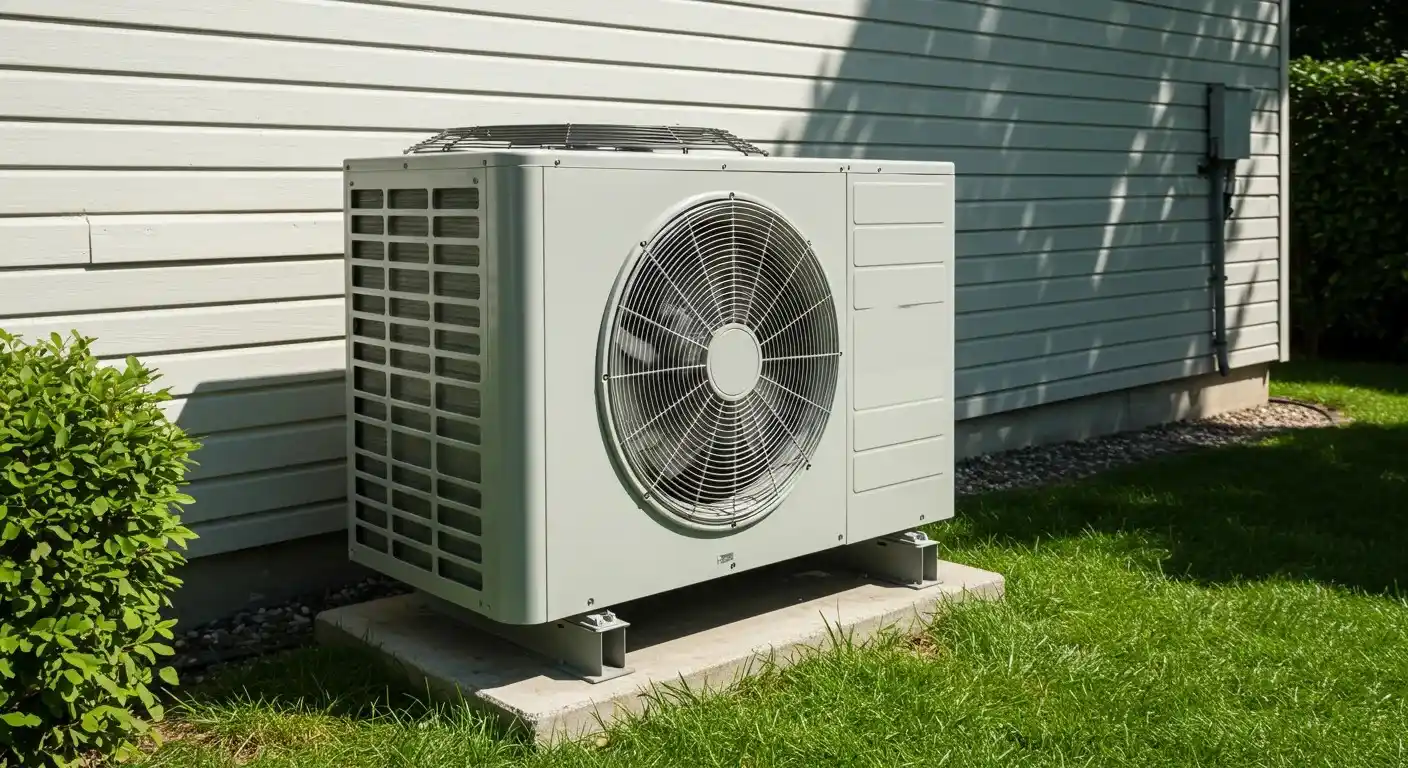
- Examine the Outdoor Unit: Clear away any debris, leaves, or vegetation that might be obstructing the outdoor coil or fan.
- Check Breakers and Power Switches: Verify that the circuit breaker for your heat pump hasn't tripped and that all power switches are in the "on" position.
- Look for Ice on the Outdoor Coil: If the unit is frozen, turn off the power and allow it to thaw naturally. If it refreezes quickly, a professional is needed.
These steps can help diagnose simple problems or confirm that a more complex repair is necessary. For anything beyond these basic checks, it's always recommended to call a qualified technician to avoid potential injury or further damage to your system.
The Professional Heat Pump Repair Process
When your heat pump requires expert intervention, the repair process typically involves several key stages to ensure a thorough and lasting solution:
- Diagnostic Assessment: A qualified technician will conduct a comprehensive inspection of your heat pump system. This includes checking refrigerant levels, electrical connections, compressor function, fan motors, coils, and the thermostat. Advanced diagnostic tools are often used to pinpoint the exact cause of the malfunction.
- Explanation of Findings and Repair Options: Once the issue is identified, the technician will clearly explain the problem, the recommended repair solutions, and the associated costs. You'll have the opportunity to ask questions and understand the proposed work.
- Expert Repair Execution: Repairs can range from simple component replacements, such as a faulty capacitor or contactor, to more complex tasks like sealing refrigerant leaks, replacing a compressor, or addressing electrical control board issues. Technicians use specialized tools and adhere to industry best practices to ensure the repair is performed safely and effectively.
- System Testing and Calibration: After the repair is completed, the technician will rigorously test the heat pump's operation to confirm that the issue has been resolved and that the system is functioning optimally. This often includes checking airflow, temperature differentials, and overall efficiency.
- Preventive Advice: A good technician will also offer advice on how to maintain your heat pump to prevent future problems and extend its lifespan.
Factors Influencing Heat Pump Repair Costs
The cost of heat pump repair can vary significantly depending on several factors:
- Type of Issue: Simple repairs, like replacing a thermostat or a clogged filter, are generally less expensive than major component failures, such as a compressor replacement or addressing a refrigerant leak.
- Part Costs: The price of replacement parts can vary widely. More specialized or proprietary components will naturally cost more.
- Labor Rates: Technician labor rates differ based on experience, location, and the complexity of the repair.
- Warranty Status: If your heat pump is still under warranty, some or all of the parts and labor costs might be covered, significantly reducing your out-of-pocket expenses.
- Age of the System: Older heat pumps may require more frequent or extensive repairs, and sometimes replacement might be a more cost-effective option than repeated fixes.
It's important to obtain a detailed estimate for any significant repair, outlining parts, labor, and any additional fees.
Choosing the Right Heat Pump Repair Service
Selecting a reliable heat pump repair service is paramount for effective and lasting solutions. When making your choice, consider these important factors:
- Experience and Expertise: Look for technicians with proven experience in heat pump systems, as they possess the specific knowledge required for accurate diagnostics and effective repairs.
- Certifications and Licensing: Ensure the company and its technicians are properly licensed and certified, indicating adherence to industry standards and regulations.
- Reputation and Reviews: Check customer reviews and testimonials to gauge the company's reputation for reliability, professionalism, and customer satisfaction.
- Transparent Pricing: A reputable service provider will offer clear, upfront pricing with detailed estimates, avoiding hidden fees.
- Emergency Services: Heat pump breakdowns don't always happen during business hours. Access to emergency repair services can be a lifesaver during extreme weather.
- Guarantees on Work: A company that stands behind its work with a warranty on repairs offers peace of mind.
At Stafford Heating, Cooling, Plumbing & Electrical, we pride ourselves on meeting these criteria, providing expert heat pump repair with a focus on customer satisfaction and long-term system performance.
Essential Preventive Maintenance Tips
Regular maintenance is the cornerstone of a reliable and efficient heat pump system. By proactively caring for your unit, you can prevent many common issues and extend its operational life:
- Schedule Annual Professional Tune-Ups: An annual inspection by a qualified technician can identify potential problems before they escalate, optimize system performance, and ensure all components are functioning correctly.
- Change or Clean Air Filters Regularly: This is the simplest yet most effective maintenance task you can perform. Dirty filters restrict airflow and reduce efficiency.
- Keep the Outdoor Unit Clear: Ensure the area around your outdoor unit is free from debris, leaves, grass clippings, and shrubs that could impede airflow.
- Inspect and Clean Coils: Over time, evaporator and condenser coils can accumulate dirt and grime, reducing their ability to transfer heat. A professional can clean these thoroughly during a tune-up.
- Check Refrigerant Levels: Low refrigerant indicates a leak, which should be identified and repaired by a professional.
- Clear the Condensate Drain: Algae and sludge can clog the condensate drain line, leading to water leaks and potential water damage.
By integrating these maintenance practices, you can minimize the need for unexpected heat pump repairs and enjoy consistent comfort in your home.
Restore Comfort with Stafford Heating, Cooling, Plumbing & Electrical
A malfunctioning heat pump can quickly turn your comfortable home into an uncomfortable one. Understanding the common issues, what you can check yourself, and when to call in the experts is key to efficient and effective heat pump repair. For reliable, professional heat pump repair that restores your system's efficiency and your home's comfort, trust the experienced team at Stafford Heating, Cooling, Plumbing & Electrical. We are dedicated to providing prompt, high-quality service, ensuring your heat pump operates flawlessly.
Don't let a faulty heat pump disrupt your comfort. Contact us today to schedule your professional heat pump repair and experience the peace of mind that comes with expert service.
Customer Testimonials
Our customers consistently praise our knowledgeable technicians, prompt service, and the lasting quality of the work we deliver.