




High Velocity Air Conditioning In Minneapolis, MN
Minneapolis homeowners: Experience year-round comfort with high-velocity AC systems from Stafford Heating, Cooling, Plumbing & Electrical. Improve air quality and lower bills.
End Your HVAC Woes with High Velocity Air Conditioning
Is your AC failing to cope with Minneapolis's extreme seasonal temperatures, or does your older home lack the ductwork necessary for central cooling? Experience the best in home comfort and preservation with our High Velocity Air Conditioning solutions; contact us today to schedule a consultation or inquire about our flexible financing options.
Older homes with boiler systems often rely on noisy window units or inefficient mini-splits that disrupt the aesthetic of the property. High-velocity systems offer a seamless integration that preserves architectural integrity while delivering superior cooling power. Stafford Heating, Cooling, Plumbing & Electrical specializes in retrofitting these advanced systems into existing structures, ensuring your home remains cool during the humid summers without compromising its historic charm.
- Boost your home’s efficiency with modern HVAC technology designed for structures without existing ductwork.
- Enjoy consistent temperatures with minimal operational sound and superior humidity removal.
- Lower yearly energy costs thanks to high SEER ratings and precision zoning capabilities.
- All installations are fully permitted and backed by comprehensive warranties and flexible financing options.
What to Expect from Your Installation: Timeline and Inclusions
High-velocity air conditioning systems, often associated with brands like The Unico System or SpacePak, operate differently than traditional forced-air units. Understanding the scope of work and what is included in your installation helps manage expectations and ensures you are prepared for the upgrade. These systems use small-diameter, flexible ductwork to deliver conditioned air under high pressure. This method creates an aspiration effect, mixing the room air thoroughly rather than simply dumping cold air into the space.
System Components and Equipment
When you invest in a high-velocity system, the installation package includes several specialized components designed to fit into tight spaces where conventional ducts cannot go.
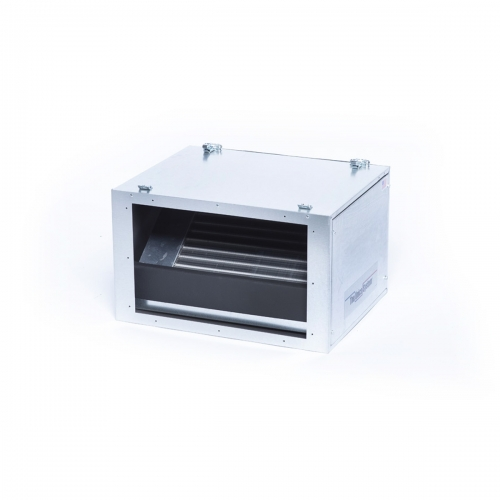
- The Air Handler Unit: This is significantly smaller than a standard furnace or air handler. It is typically installed in an attic, basement, or closet. Its compact size allows it to be tucked away, preserving valuable square footage in your home.
- Small-Diameter Ductwork: Unlike the bulky metal ducts of traditional systems, high-velocity systems utilize flexible, insulated tubing (usually 2 inches in diameter). These tubes can be snaked through existing wall cavities, above ceilings, and between floor joists without the need for major renovation or unsightly bulkheads.
- Aspirator Outlets: instead of large metal registers/grilles, this system uses small, round outlets that can be finished in wood, plastic, or metal to match your floor, ceiling, or wall trim. They are unobtrusive and blend seamlessly with your interior design.
- Outdoor Condenser: Similar to a standard split system, a condensing unit is placed outside your home. This unit is responsible for releasing the heat absorbed from indoors.
- Thermostat and Zoning Controls: Modern installations include programmable or smart thermostats that allow you to control the temperature precisely. Many high-velocity systems also support zoning, allowing you to cool specific areas of the home independently.
Project Timeline and Workflow
The timeline for installing a high-velocity system is often shorter and less invasive than retrofitting conventional central air.
- Initial Assessment: The process begins with a thorough load calculation (Manual J) to determine the exact cooling requirements of your home. This ensures the equipment is neither oversized nor undersized, which is critical for humidity control.
- Rough-In Phase: Technicians run the main trunk line and the flexible supply tubing throughout the home. Because the tubing is flexible, this step minimizes the need to open up walls or lower ceilings. In many Minneapolis homes with plaster walls, this non-invasive approach is a primary decision factor.
- Equipment Setting: The air handler and outdoor condenser are set in place. Refrigerant lines and electrical connections are run between the indoor and outdoor units.
- Trim and Finish: The small round outlets are installed in the floors, ceilings, or walls. The finish plates are applied to match the room's decor.
- Start-Up: The system is charged with refrigerant, tested for airflow and pressure, and balanced to ensure even cooling throughout the house.
Installation Process: From Start to Finish
The installation of a high-velocity system requires specialized training and precision. Unlike standard HVAC systems, the airflow dynamics in high-velocity setups are sensitive to the length and number of duct runs. A professional installation ensures the system operates quietly and efficiently.
Site Preparation and Protection
- First, the installation team prepares the work area. In finished homes, drop cloths and floor protectors are used to safeguard flooring and furniture. Since the installation involves accessing attics or basements and cutting small holes for outlets, dust containment is a priority.
- Next, the locations for the air handler and the main trunk line are finalized. The team verifies that the chosen locations allow for proper service access and meet all local building codes regarding clearance and support.
Ductwork Routing
- The main plenum is installed, usually in an attic or basement. This acts as the central hub for airflow.
- Flexible supply tubes are then routed from the main plenum to the individual room outlets. Installers snake these tubes through existing wall cavities (stud bays) or floor joists.
- Sound-attenuating tubing is used for the last few feet of each run before the outlet. This specialized tubing absorbs the sound of the rushing air, ensuring that the system runs whisper-quiet at the point of delivery.
Electrical and Refrigerant Connections
- A dedicated electrical circuit is run to power the air handler and the outdoor condenser.
- Refrigerant lines (line sets) are installed to connect the indoor and outdoor components. These lines are insulated and often routed along the exterior of the house, covered by a protective chase (line hide) to maintain curb appeal.
- A condensate drain line is installed to remove the moisture pulled from the air. High-velocity systems are exceptional at dehumidification, removing up to 30% more humidity than conventional systems, so proper drainage is essential.
System Commissioning
- Once all components are connected, the system is pressure-tested to check for leaks in the refrigerant lines.
- A vacuum is pulled on the lines to remove moisture and non-condensables before the refrigerant is released.
- The system is powered on, and technicians measure the static pressure and airflow at the outlets. Adjustments are made to the fan speed and plenum dampers to ensure the system meets the manufacturer's specifications for high-velocity performance.
Choosing Between High Velocity AC Replacement and Repair
Deciding whether to repair an existing cooling solution or invest in a new high-velocity system involves evaluating the age of your current equipment, the comfort levels in your home, and long-term energy goals. In the context of older homes in the Twin Cities area, this decision is often between continuing to patch up window units/aged systems or upgrading to a permanent whole-home solution.
Indicators for Repair
Repair is often the logical choice when the issue is minor or the equipment is relatively new.
- Capacitor or Contactor Failure: Electrical components often fail due to wear and tear. These are routine repairs that can restore function quickly.
- Clogged Filters or Drains: If the system is shutting down due to a safety switch trigger from a clogged drain or restricted airflow from a dirty filter, a service call can resolve the issue without replacement, view maintenance plan.
- Minor Refrigerant Leaks: If a leak is located in a repairable joint or connection and the system uses modern refrigerant, a repair is cost-effective.
- Thermostat Issues: Sometimes the problem lies with the control interface rather than the mechanical equipment itself.
Indicators for Replacement (Upgrading to High Velocity)
Replacement becomes the financially sound decision when facing major failures or when the current method of cooling is insufficient for the home's design.
- Lack of Ductwork: If your home relies on boiler heat (radiators or baseboard), you likely do not have ductwork. Installing traditional ducts requires building bulkheads and losing closet space. High velocity is the superior "replacement" for window units in this scenario.
- Uneven Cooling and Stratification: If your current system leaves the upstairs hot and the basement freezing, a high-velocity system’s aspiration technology eliminates stratification by constantly mixing the air.
- Humidity Issues: Conventional standard-velocity systems often cool the air before they have removed enough humidity, leaving the home feeling "clammy." If you struggle with high indoor humidity, high velocity is designed specifically to run with a colder coil temperature, extracting significantly more moisture.
- Obsolete Refrigerant (R-22): If you have an older central air system that utilizes phased-out R-22 refrigerant, major repairs involving the compressor or coil are often prohibitively expensive. Replacement with a modern, eco-friendly system is recommended.
- Preservation Requirements: For owners of Victorian, Tudor, or Arts and Crafts homes common in the region, preserving the original woodwork and plaster is paramount. If a standard installation would require damaging these elements, high velocity is the only non-destructive central cooling option.
Navigating Minneapolis's HVAC Permits and Seasonal Considerations
Installing a high-velocity system involves significant electrical and mechanical work, all of which is subject to local building codes and permitting requirements. Ensuring compliance is not just about legality; it is about safety and insurance validity.
Permitting and Code Compliance
In Minneapolis and surrounding suburbs, HVAC installations require specific mechanical permits.
- Mechanical Permits: These cover the installation of the air handler, ductwork, and outdoor unit. Inspectors verify that the equipment is sized correctly (via load calculations) and that the installation meets safety standards regarding venting and clearance.
- Electrical Permits: A separate electrical permit is required for the high-voltage wiring needed for the condenser and air handler. This work must be performed by a licensed master electrician or under their direct supervision.
- Historical Designations: For homes in designated historic districts, exterior modifications (like the placement of the condenser or line hide) may require additional review by a heritage preservation commission. High-velocity systems are generally favored in these districts because they do not alter the interior or exterior structure significantly.
Seasonal Installation Factors
The timing of your installation impacts comfort and scheduling availability.
- Spring (March - May): This is the ideal time for installation. The weather is mild enough that having the system offline (or not yet running) is not an issue. It allows for testing and tuning before the peak heat and humidity arrive.
- Summer (June - August): Demand for service is at its peak. While emergency installations are possible, scheduling may be tighter. During high humidity days, the dehumidification benefits of the new system will be immediately noticeable.
- Fall (September - November): Similar to spring, this is a transitional season perfect for upgrades. It is also a good time to ensure the heating coil (if you have opted for a hydro-coil add-on for heating) is ready for winter.
- Winter (December - February): Installation is possible but can be challenging due to snow and freezing temperatures affecting the outdoor unit placement and vacuum process. However, interior work can proceed if the home is heated.
Energy Efficiency and Utilities
Minnesota utilities frequently offer rebates for installing high-efficiency cooling equipment.
- SEER/SEER2 Ratings: High-velocity systems are available in high-efficiency configurations. Checking the SEER (Seasonal Energy Efficiency Ratio) rating against current rebate criteria can save money on the installation.
- Electrification: Some homeowners choose to pair high-velocity air handlers with heat pumps, allowing for dual-fuel capabilities that can offset heating costs during the shoulder seasons.
Why Choose Us: Testimonials and Service Guarantees
Selecting the right contractor for high-velocity air conditioning is just as important as the equipment itself, read our reviews. These systems require a specific set of skills and training that differs from standard HVAC work. Improper installation can lead to noise issues (whistling at the vents) or reduced capacity.
Specialized Training and Certification
We employ technicians who have undergone specific manufacturer training for high-velocity systems. This ensures that the "rules of thumb" used for standard ductwork are not incorrectly applied to small-diameter tubing. The science of high static pressure and aspiration requires precise calculation and execution.
- Design Expertise: We perform a room-by-room load calculation to ensure every area of the home receives the correct amount of airflow.
- Noise Reduction: We strictly adhere to installation protocols regarding sound-attenuating tubing and outlet placement to guarantee the system runs quietly.
Commitment to Preservation
We understand that your home is an investment and often a piece of history. Our team treats your property with the utmost respect.
- Minimal Impact: We plan our duct runs to utilize dead space such as backs of closets, corners, and floor joists, avoiding the need to cut through original hardwood or plaster features whenever possible.
- Cleanliness: Our technicians use protective coverings and clean up thoroughly at the end of each day.
Comprehensive Warranty Support
Your investment is protected by robust warranties.
- Equipment Warranty: We register all equipment to ensure you receive the full manufacturer's parts warranty.
- Labor Guarantee: We stand behind our craftsmanship. If an issue arises related to the installation, we return to make it right.
Book Your Service Now
Stafford Heating, Cooling, Plumbing & Electrical is dedicated to bringing modern comfort to your classic home. Whether you are looking to retire your window units or upgrade an aging system, we provide the expertise needed for a flawless high-velocity installation.
Secure your home's comfort and value with a professional high-velocity AC installation. Contact us today to start the conversation and request your detailed estimate.
Customer Testimonials
Our customers consistently praise our knowledgeable technicians, prompt service, and the lasting quality of the work we deliver.